- Your online store, one click away efficiently and easily ... International Contact:
- +1 (407) 634 4442
- support@fusygo.com

Outsourcing vs Outstaffing Models in IT: What is the Difference?
9 noviembre, 2021Short squeeze: ¿qué es y cómo sucede en las operaciones de trading?
24 noviembre, 2021Developers create a version very quickly and for relatively little cost, then test and improve it through rapid and successive versions. One big disadvantage five phases of the system development life cycle here is that it can eat up resources fast if left unchecked. Also, make sure you have proper guidelines in place about the code style and practices.

Through maintenance efforts, the team can add new capabilities and features and meet new requirements set by the client. This phase also involves the actual installation of the newly-developed application. The project is put into production by moving all components and data from the old system and putting them in a new one through a direct cutover. This is the part when a network engineer, software developer, and/or programmer are brought on to conduct major work on the system. This includes ensuring the system process is organized properly through a flow chart.
Please, tell us about your project. This is just a starting point from which we can develop into a specification.
Teams start thinking about security risks and measures during the first stage of the SDLC. A big bang starts with little planning and quickly moves to the coding stage. In many cases, developers are the only ones responsible for figuring out requirements, writing code, and checking the validity of a finished product. The iterative incremental model requires the team to quickly deploy an incomplete version of the software at the end of each development cycle.
If you’re looking for a reliable software development company to turn your idea into a top-quality software product, contact our team today. These are the approaches that can help you to deliver a specific software model with unique characteristics and features. Most developers and project managers opt for one of these 6 approaches. In the development stage of SDLC, the system creation process produces a working solution. Developers write code and build the app according to the finalized requirements and specification documents.
Phases
While the team is focused on delivering consistent product functionality at each iteration, there is an opportunity to continually improve and redistribute the overall backlog of the product. New or changed backlog items can be scheduled for the next iteration, allowing for changes to be made over several weeks. This SDLC model refers to the traditional and seasoned project management approach that places initial planning at the heart of all processes. The model is based on a sequential design process when a team finishes one stage before starting off the next one.
Modular design reduces complexity and allows the outputs to describe the system as a collection of subsystems. At this step, desired features and operations are detailed, including screen layouts, business rules, process diagrams, pseudocode, and other deliverables. Want to increase the quality of your applications and track their performance across the SDLC?
Core Problems with Software Risk Management
The risks should be reviewed, and those with the lowest possible level of impact probability should be closed. New risks should be researched, and avoidance, mitigation, and contingency plans should be formed. SDLC works by lowering the cost of software development while simultaneously improving quality and shortening production time.
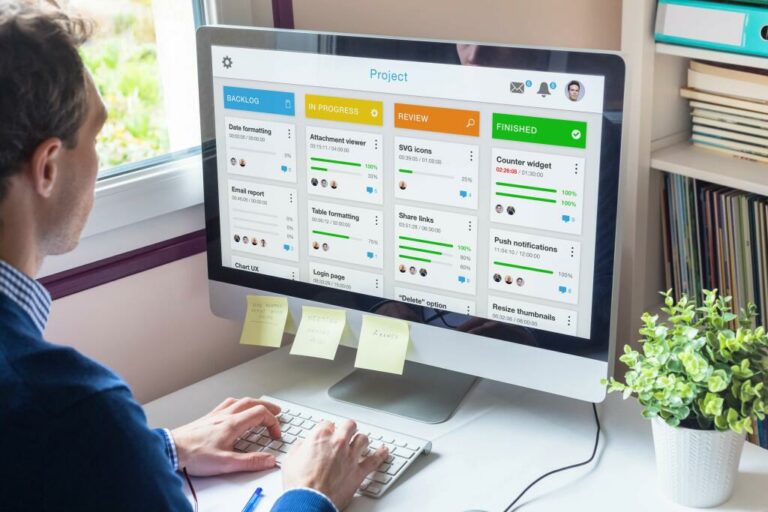
The very first prototype of the software is constructed to help the team get a general idea of what the result should look like. Explain each stage of the https://www.globalcloudteam.com/ life cycle and how developers know when the stage is reached. This software is designed to simplify workflow management for a wide variety of teams.
Phase 2: Identify the Risk Response Strategy
The system development life cycle or SDLC is a project management model used to outline, design, develop, test, and deploy an information system or software product. In other words, it defines the necessary steps needed to take a project from the idea or concept stage to the actual deployment and further maintenance. As soon as the testing stage is over, it’s high time to integrate the information system into the environment, install it, and present the outcome to the end user. “Let’s start using what we’ve got.” This step includes feedback from end users. Depending on their feedback, the developers need to make changes and adjustments. Usually, this part of the SDLC process happens in a limited way at first.

SDLC or the Software Development Life Cycle is a process that produces software with the highest quality and lowest cost in the shortest time possible. SDLC provides a well-structured flow of phases that help an organization to quickly produce high-quality software which is well-tested and ready for production use. Regardless of which software development methodology is chosen, they follow the basic stages creating any digital product. There are quite a few SDLC methodologies that have been put in place over the years to make the development process time-efficient and productive.
A Detailed Discussion on SDLC 5 Phases in 2022
They also write use cases and share this information with the project team. The aim of the requirements analysis is for quality assurance, technical feasibility, and to identify potential risks to address in order for the software to succeed. The best practices of IT risk management include minimizing risk factors in the software development lifecycle (SDLC) in order to develop a system able to counter and mitigate risks when necessary.
- The analysis phase also gathers business requirements and identifies any potential risks.
- All stakeholders then review this plan and offer feedback and suggestions.
- Oftentimes, the system development life cycle is confused with the software development life cycle.
- SDLC represents a multitude of complex models used in software development.
- Using static and dynamic analyzing methods, codes should be constructed.
- Some may be new or revolutionary, and others may simply be improvements on existing solutions.
After the analysis, a conclusion is drawn that redesigning by itself will not create much impact unless combined with some additional features for the virtual trial. In the first phase, the team determines whether or not there’s a need for a new system to reach the strategic objectives of a business. This is a feasibility study or preliminary plan for the company to acquire any resources necessary to improve a service or build on specific infrastructure. System development life cycles are typically used when developing IT projects. The agile model is relatively well-known, particularly in the software development industry. Developers must now move into a maintenance mode and begin practicing any activities required to handle issues reported by end-users.
Waterfall Model
QA testers should cooperate with engineers as the latter sometimes don’t have enough knowledge of software testing tools and strategies. Successful and responsive software takes months to develop, but it can take a lot more time if all seven stages of the SDLC have not been executed correctly. Although the stages may vary in each specific project, the logic behind the model remains the same.
