- Your online store, one click away efficiently and easily ... International Contact:
- +1 (407) 634 4442
- support@fusygo.com

1xbet Azerbaycan İdman Üzrə Onlayn Mərclər ᐉ Bukmeker Şirkəti 1xbet Giriş ᐉ Aze 1xbet Co
21 julio, 2022como apostar no pagbe
22 julio, 2022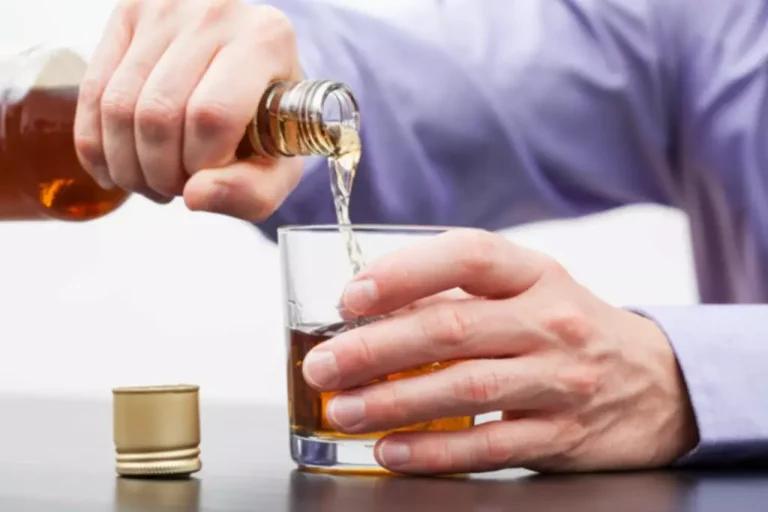
The diuretic effect of alcohol may also depend on the type of alcoholic beverage consumed. Studies have shown that higher-alcohol beverages, such as spirits, wine, and distilled liquors, have a stronger diuretic effect compared to lower-alcohol drinks like beer. Additionally, the frequency of alcohol consumption can impact its diuretic effects. When alcohol is consumed regularly, the body becomes accustomed to its presence, reducing the diuretic impact over time. To reduce the risk of dehydration when drinking beer, it is important to drink water alongside alcoholic beverages. Water will help to reduce the chances of dehydration and flush out toxins.
About Medical News Today
The main difference is that sports drinks contain added electrolytes, like those naturally occurring in coconut water, that help direct water and nutrients to where they’re needed within our body. Sometimes referred to as «nature’s sports drink,» coconut water is a fantastic choice for keeping hydrated. Extracted from young, green coconuts — and not to be confused with coconut milk which is made from the pulpy flesh — coconut water has a high water content, and it’s lower in both sugar and calories. However, it’s recommended you avoid aloe juice if you suffer from gastrointestinal issues, such as irritable bowel syndrome.
- Meanwhile, consuming 269 mg of caffeine, or about 3 cups of coffee, didn’t affect fluid balance (3, 4).
- Don’t drink fluids that have caffeine or a lot of sugar, such as sodas and some energy drinks.
- When ADH levels are decreased, the kidneys excrete more water, leading to increased urine production.
- According to the CDC, heavy drinking equates to more than three drinks per day or eight drinks per week for females and more than four drinks per day or 15 drinks per week for males.
- Carry mineral tablets or liquid mineral drops with you for emergencies.
Dehydration from Alcohol: How to Bounce Back from a Hangover (Or Prevent One)
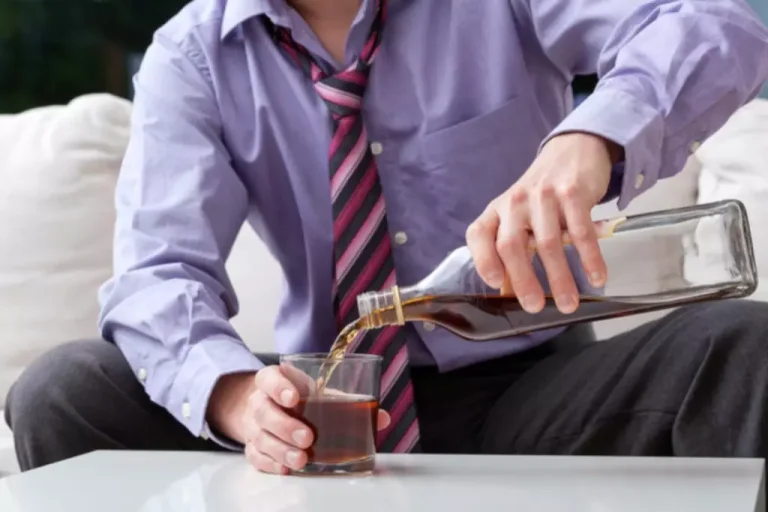
After the first time you urinate, your urine will accumulate faster than normal, resulting in more frequent trips to the bathroom. This is because alcohol inhibits the release of Twelve-step program vasopressin, causing the body to absorb less water and produce more urine. However, the way alcohol interferes with this natural signal, switching it off, means the bladder is free to fill up with urine, which results in the need to pee more often. This is why people often need to go to the toilet more frequently when drinking alcohol. Non-alcoholic beer, on the other hand, is being marketed as a hydrating alternative, especially for athletes. It contains water and electrolytes, which are crucial for rehydration.
Liquor
A good way to limit your overall alcohol consumption, and thus limit alcohol’s dehydrating effects, is to alternate alcoholic drinks with glasses of water. Is there anything you can do to offset or prevent problems caused by dehydration from drinking alcohol? However, if a person has a beer, wine, or how can alcohol, a liquid, dehydrate the body? other alcoholic beverage, certain things can be done to avoid dehydration. If a person has been drinking and is experiencing alcohol dehydration symptoms, they need to restore the body’s fluid balance. The following steps will help a person to rehydrate properly and recover from alcohol dehydration. That will help you stay at a safe level for your total intake of caffeine.
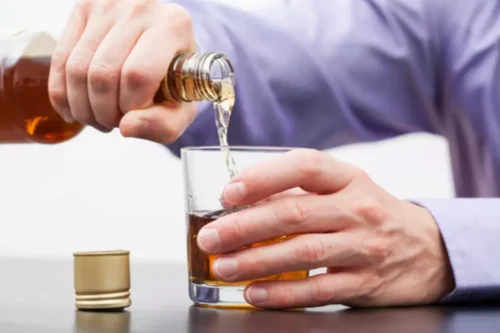
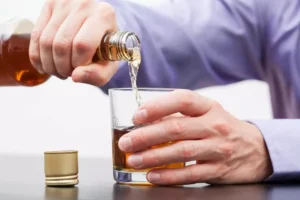
The overwhelming amount of research on alcohol consumption shows that the harms can outweigh any benefits. Alcohol consumption has been linked to increased risk of chronic diseases such as cancer and heart disease. Drinking decaffeinated coffee instead of water in moderate amounts should not lead to dehydration since decaffeinated coffee is not a significant diuretic and provides substantial water content. In addition to water, there are other options to help with hydration. Oral rehydration solutions provide essential electrolytes, which can be especially useful if you are dehydrated due to diarrhea, vomiting, or intense exercise.
